Reflections from the British Dyslexia Association reception at the House of Lords
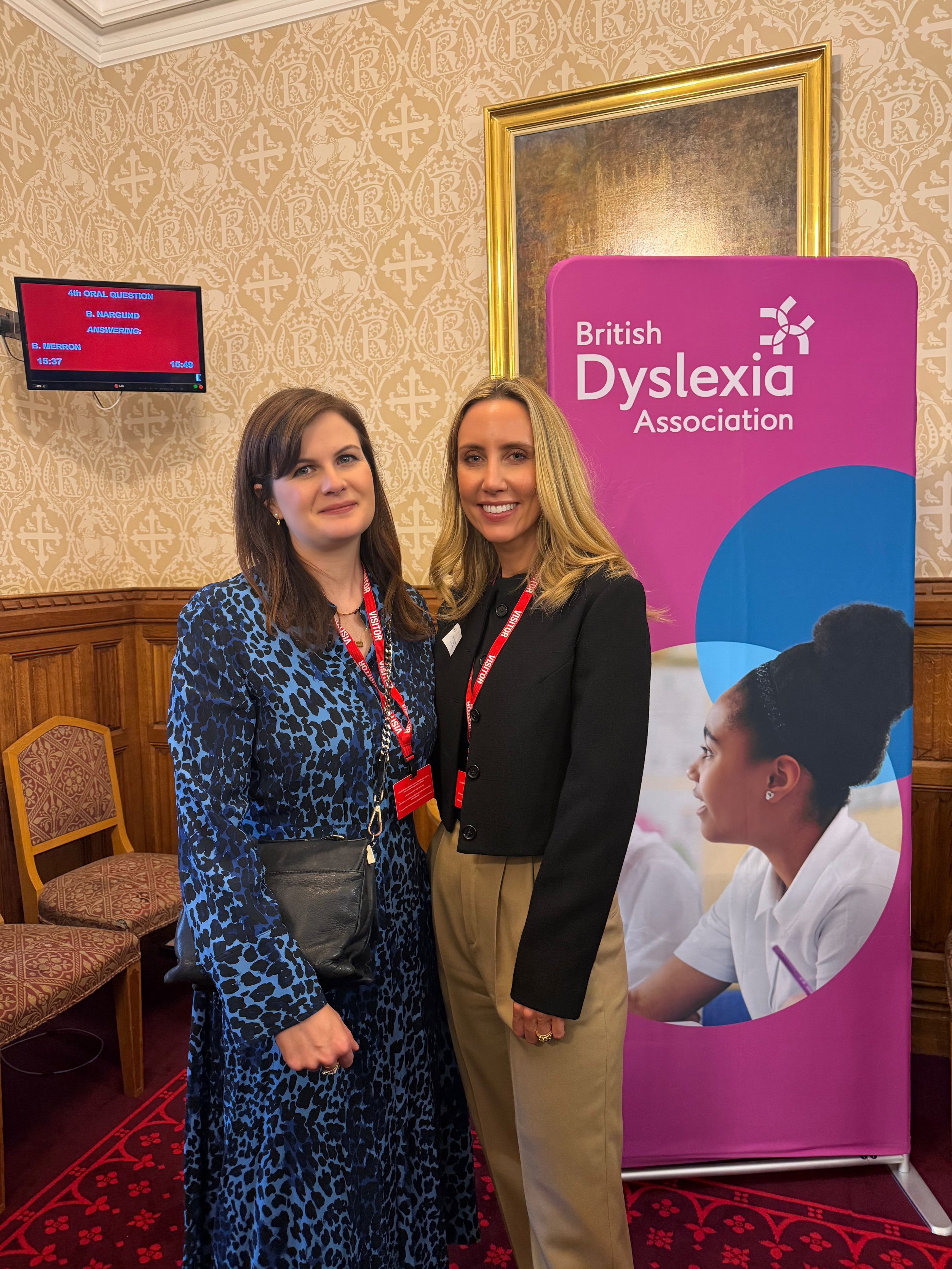
This week, 1 in 10 Dyslexia was at the House of Lords for the British Dyslexia Association reception, hosted by Lord Addington.
It was an inspiring afternoon, but also one that highlighted just how much work remains to be done for dyslexic and neurodivergent young people.
One statistic in particular stopped us.
Around one million young people in the UK are currently NEET — not in education, employment or training.
Behind that number are young people with enormous potential. Yet too many are becoming lost in the system because their needs haven’t been identified or supported early enough.
When children believe they aren’t clever
We heard about the difficult transition from school into employment for young people who learn and think differently, and the cumulative impact of spending years in an education system feeling as though you are failing.
Two statistics shared during the afternoon were particularly difficult to hear:
70% said they had been made to feel bad about themselves.
78% assumed they simply weren’t clever.
For us at 1 in 10 Dyslexia, this goes to the heart of why early identification and support matter so much.
When we fail to identify a child’s needs early, the consequences extend far beyond academic attainment. We risk affecting their confidence, self-esteem and, ultimately, their ambition.
A child who repeatedly struggles without understanding why can very quickly begin to believe that the problem is their intelligence rather than the way they are being taught.
That is a story we urgently need to change.
What would it take to get to 0% NEET?
This was the big question in the room.
What would it take to create a system in which no young person becomes lost between education and employment?
Theo Paphitis summed up the importance of early intervention brilliantly:
“Early diagnosis and support is life changing. It’s the first step on the ladder.”
And when discussing why so many entrepreneurs are dyslexic, he added:
“Because no one would give them a job.”
It got a laugh in the room, but there is a serious message behind it.
Dyslexic people are so often celebrated for their creativity, problem-solving, resilience and entrepreneurial thinking. Yet we cannot accept a system in which those strengths are discovered only after a young person has struggled or been failed by traditional education and employment routes.
We need to recognise potential early rather than waiting for children to struggle.
From early identification to opportunity
Early identification is only the beginning. Young people need appropriate support throughout education and, crucially, during the transition from school into further education, training and employment.
That means better awareness of dyslexia in schools, teachers equipped with practical strategies, accessible technology and workplaces that understand different ways of thinking and learning.
It also means changing the narrative.
Being dyslexic should never lead a child to conclude that they aren’t clever.
At 1 in 10 Dyslexia, our work is centred on making the invisible visible: helping schools recognise dyslexia earlier, giving teachers the tools to support dyslexic learners and ensuring children understand their strengths as well as their challenges.
Changing the story
It was wonderful to share the afternoon with so many people committed to changing outcomes for dyslexic young people, including Lord Addington, Ellen Broom, CEO of the British Dyslexia Association, Theo Paphitis, Georgia Gould MP, Juliet Campbell MP and Adam Dance MP.
We were also delighted to see familiar faces Lizzie Acker and Marcia Brisset-Bailey — with perfect timing, as Marcia joined us the following day to record an episode of the 1 in 10 Dyslexia podcast.
We left the House of Lords with one question still firmly in our minds:
What would it take to get to 0% NEET?
There isn’t one simple answer. But identifying and supporting children before they lose confidence in themselves has to be part of it.
Because early intervention isn’t simply about helping a child read, write or perform better at school.
It’s about making sure they grow up knowing what they are capable of.