
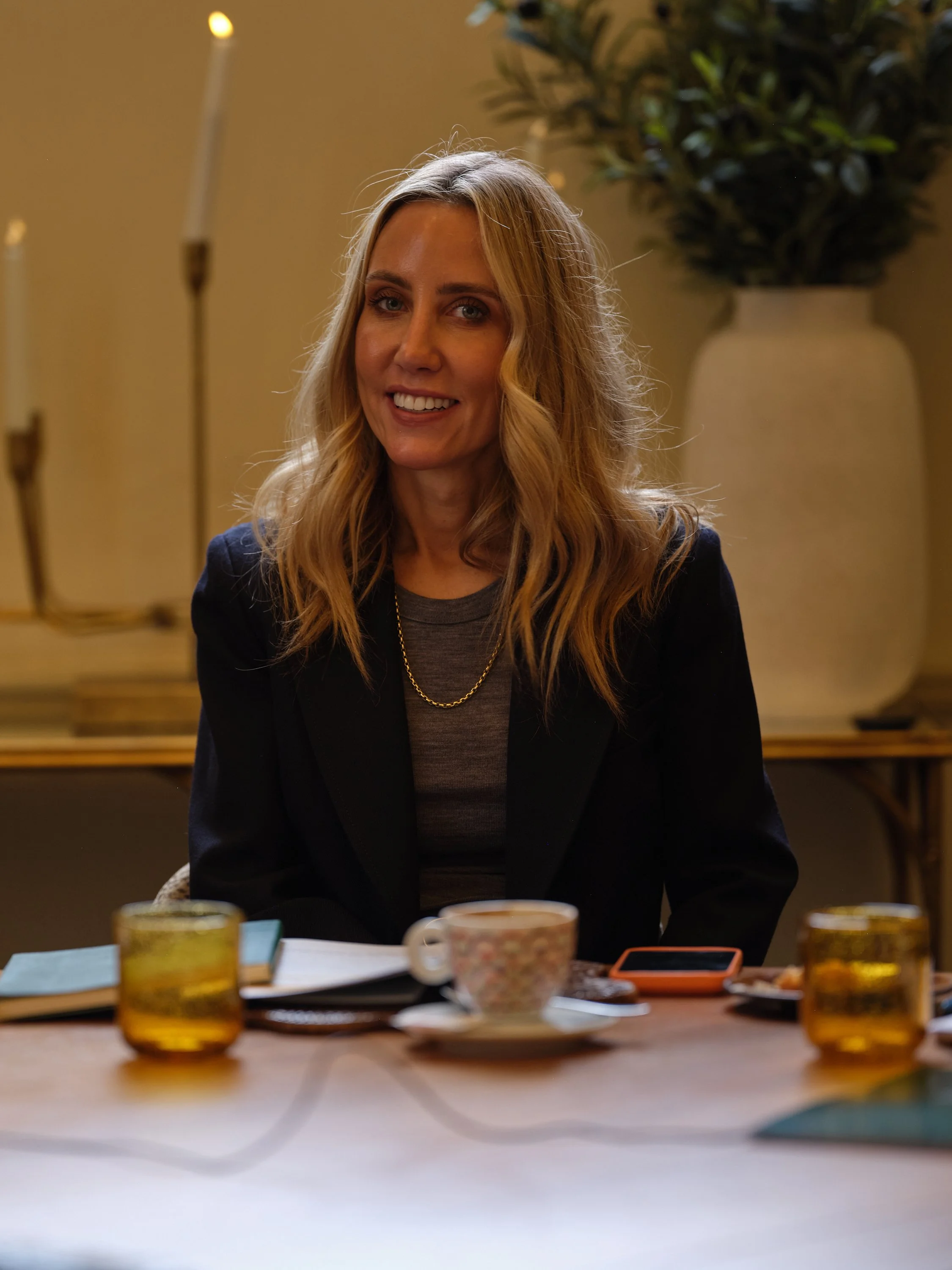
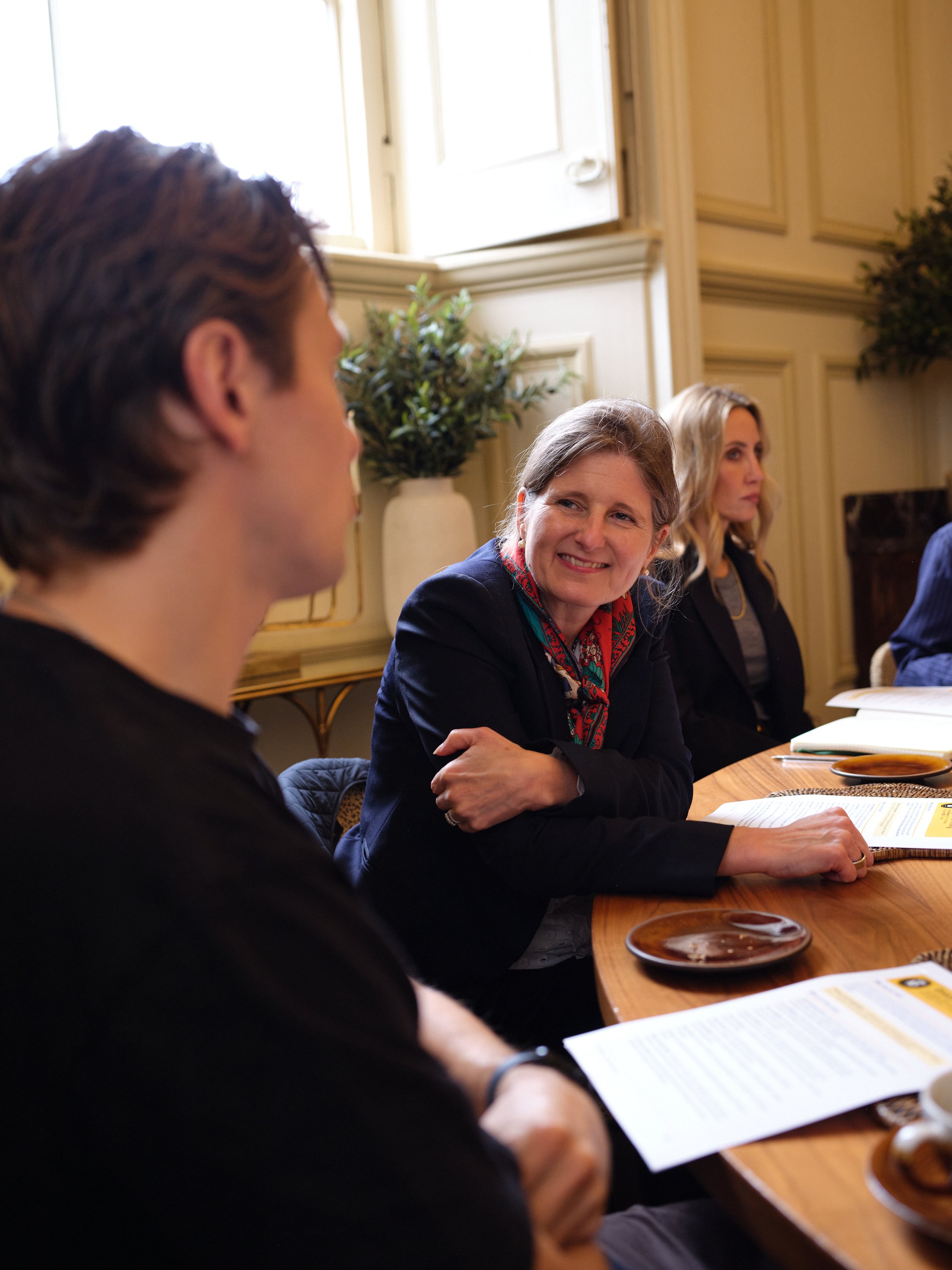
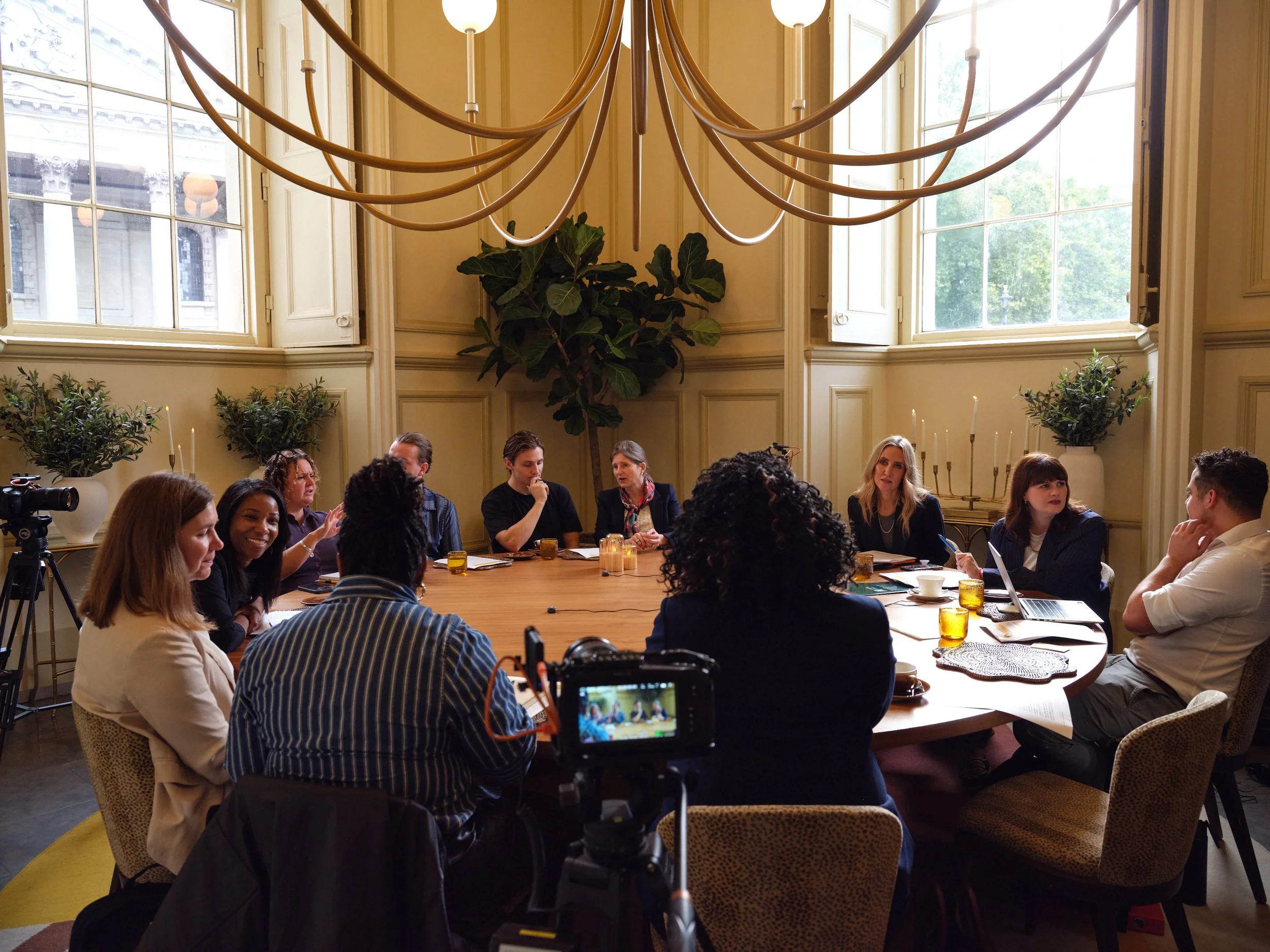
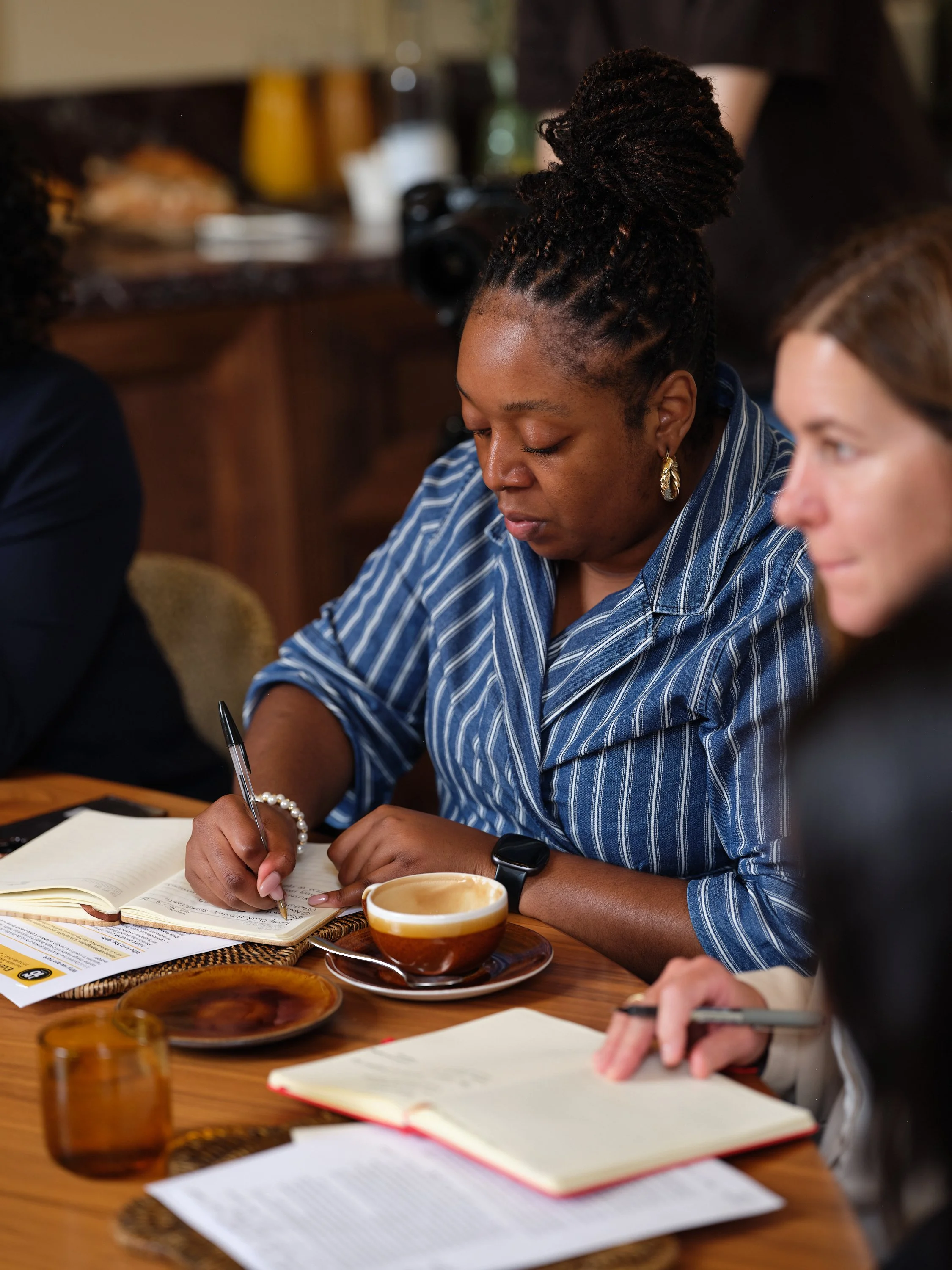
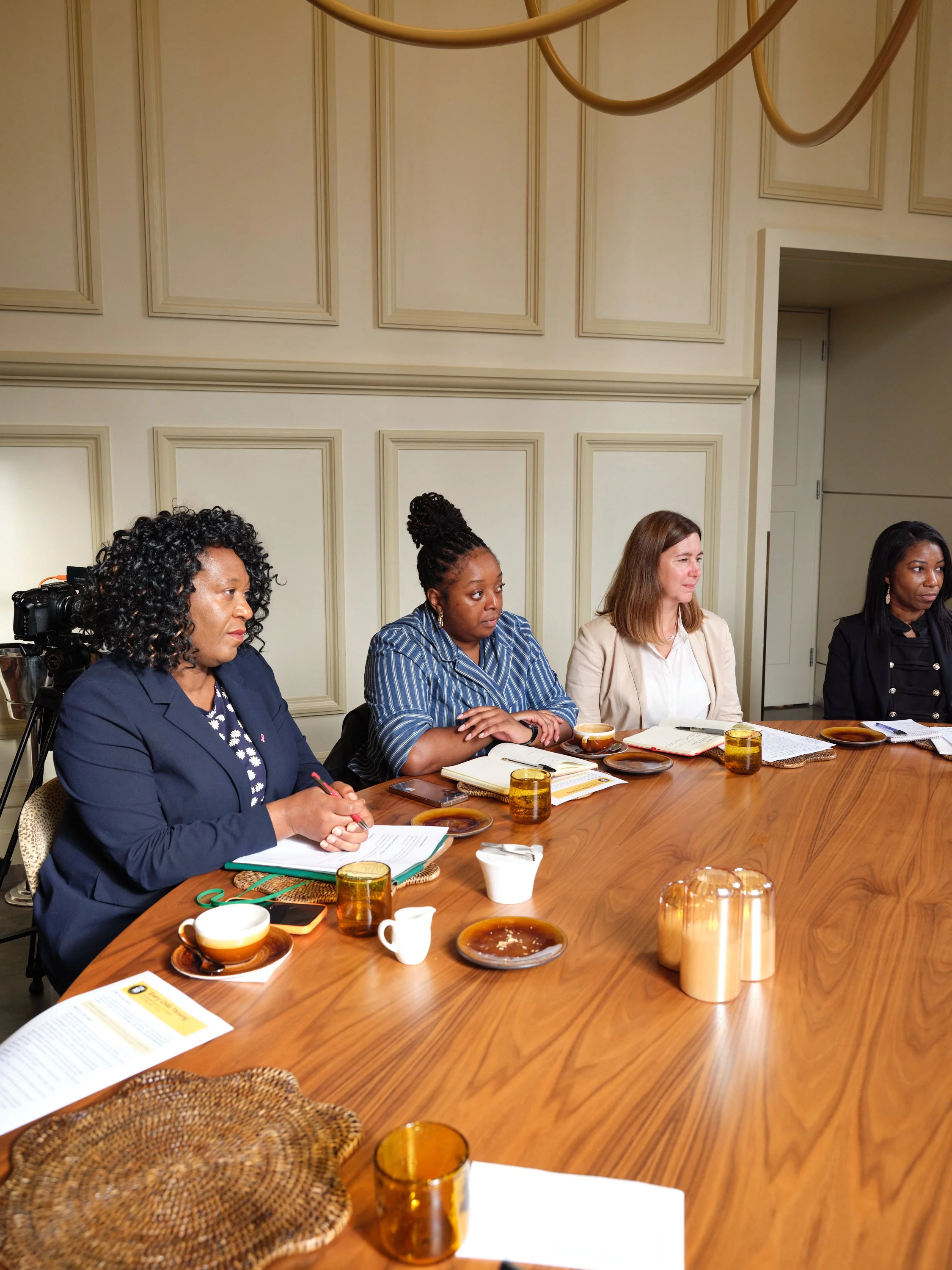
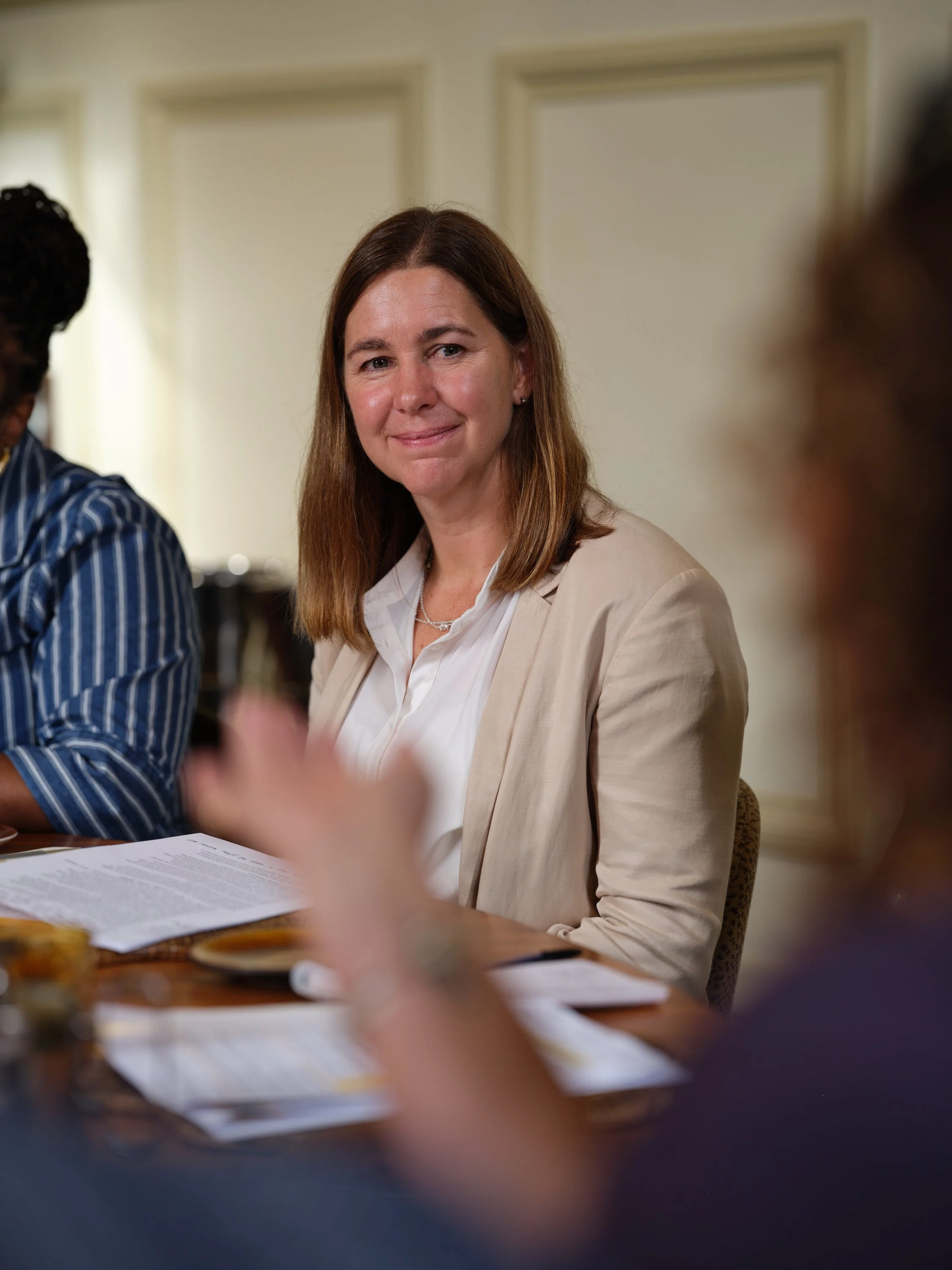
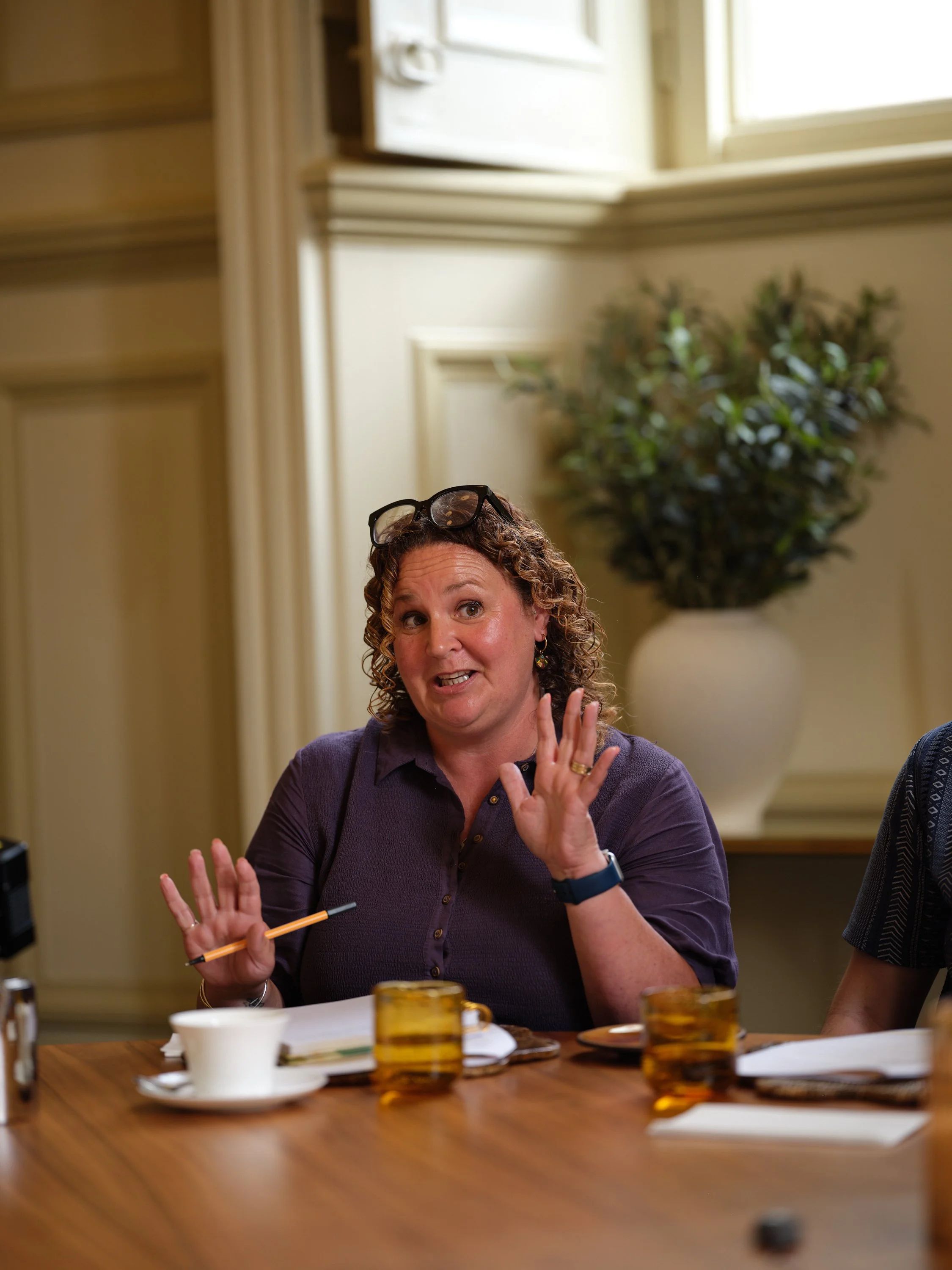
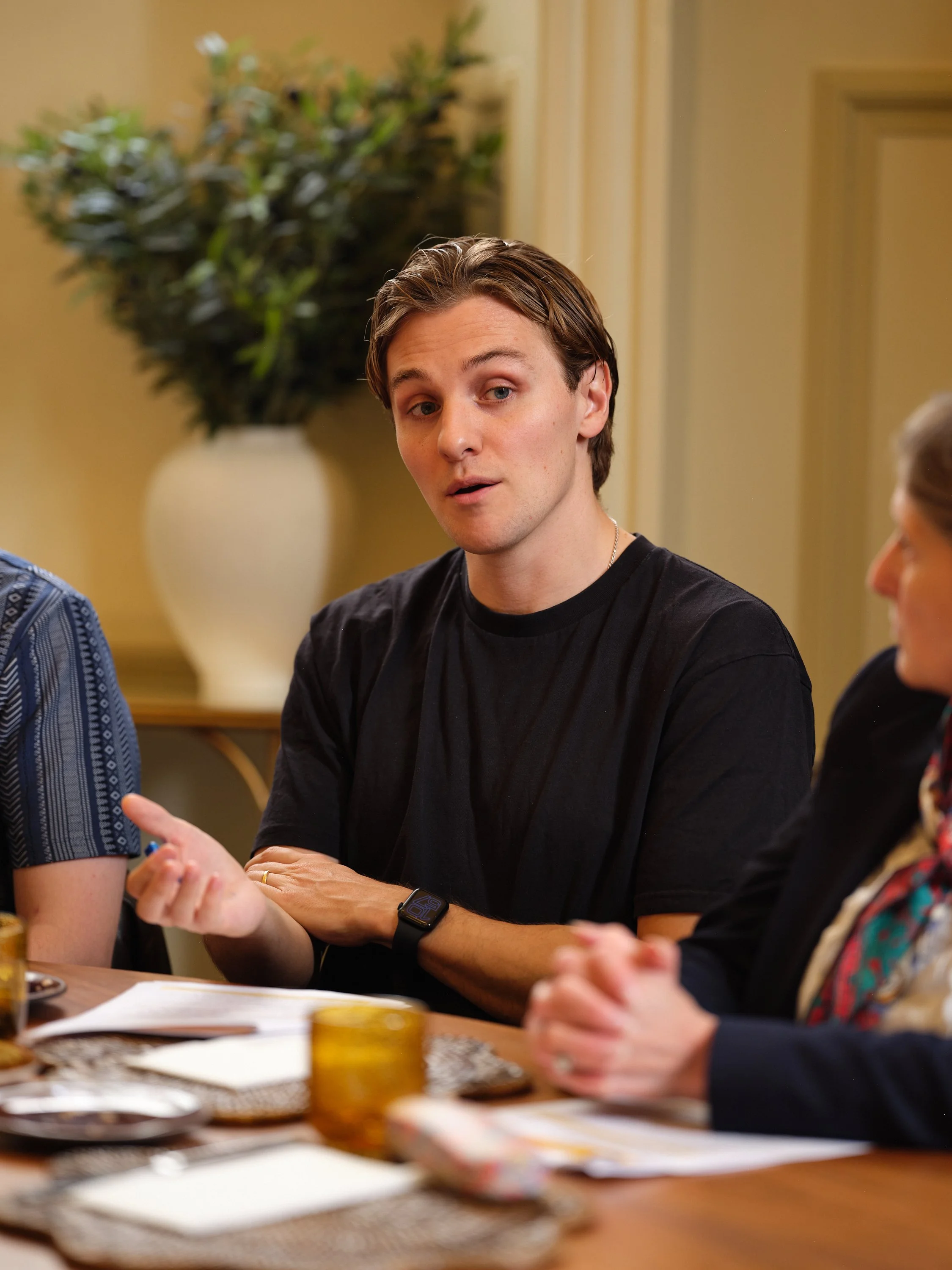
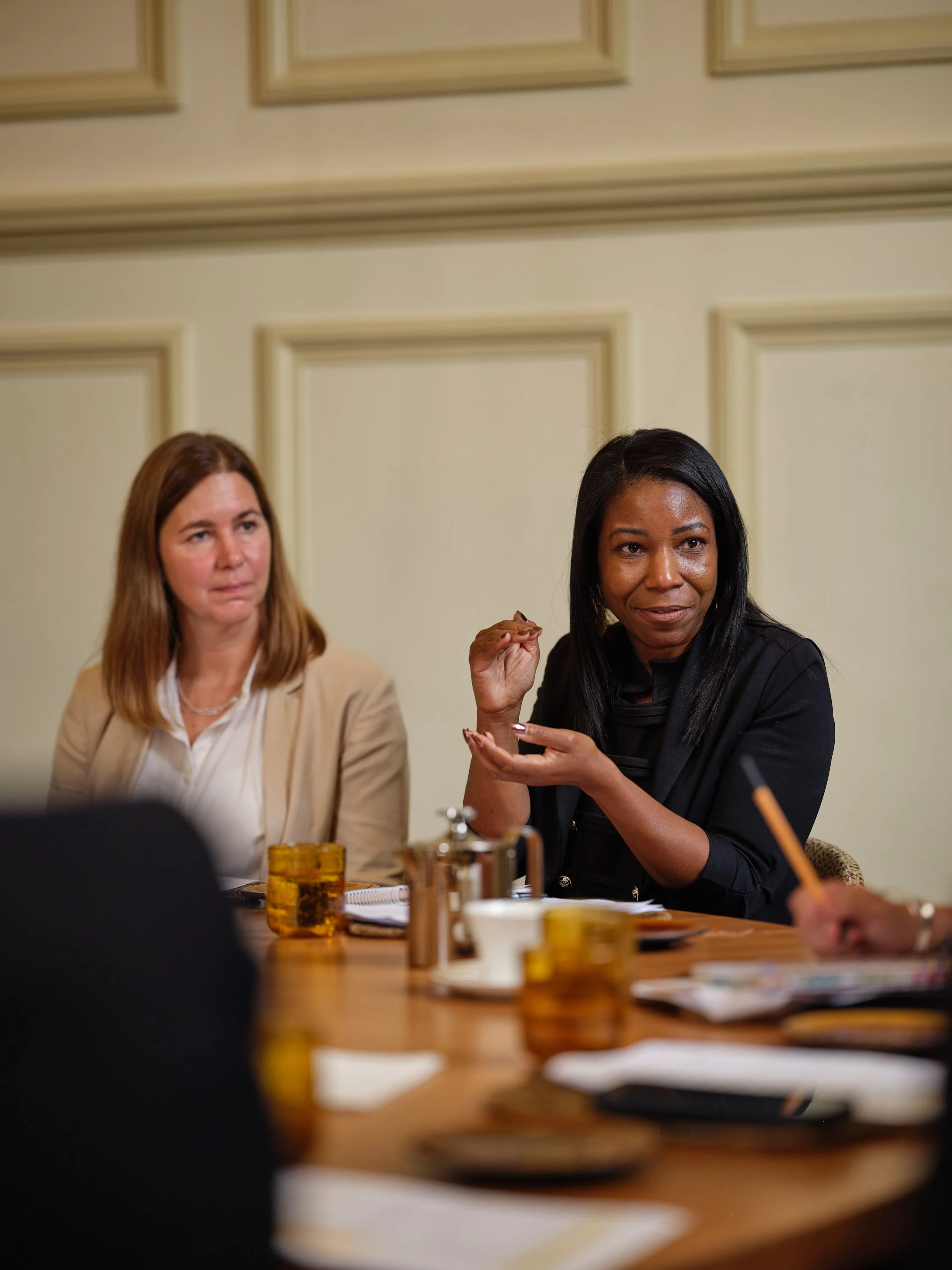
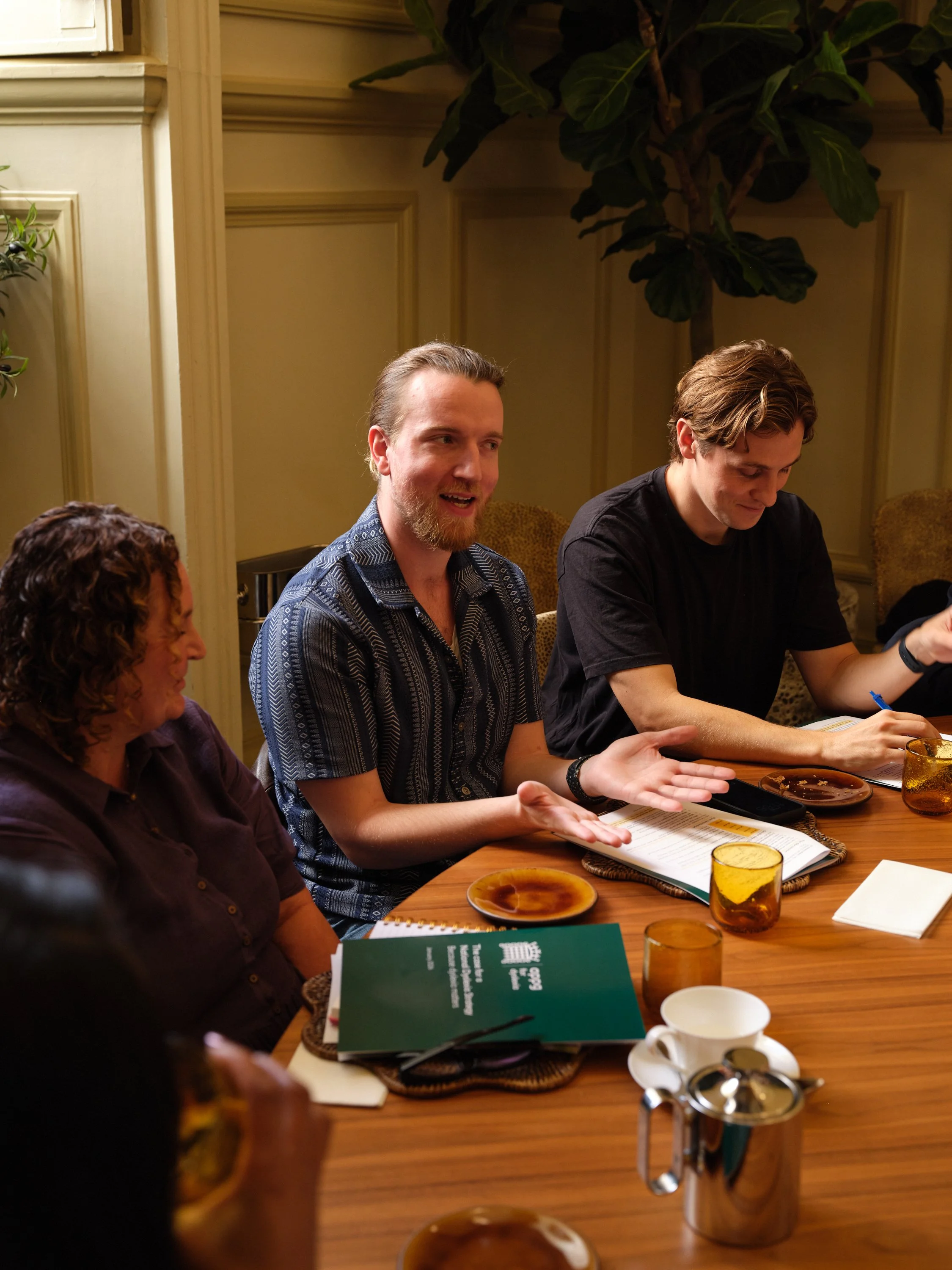
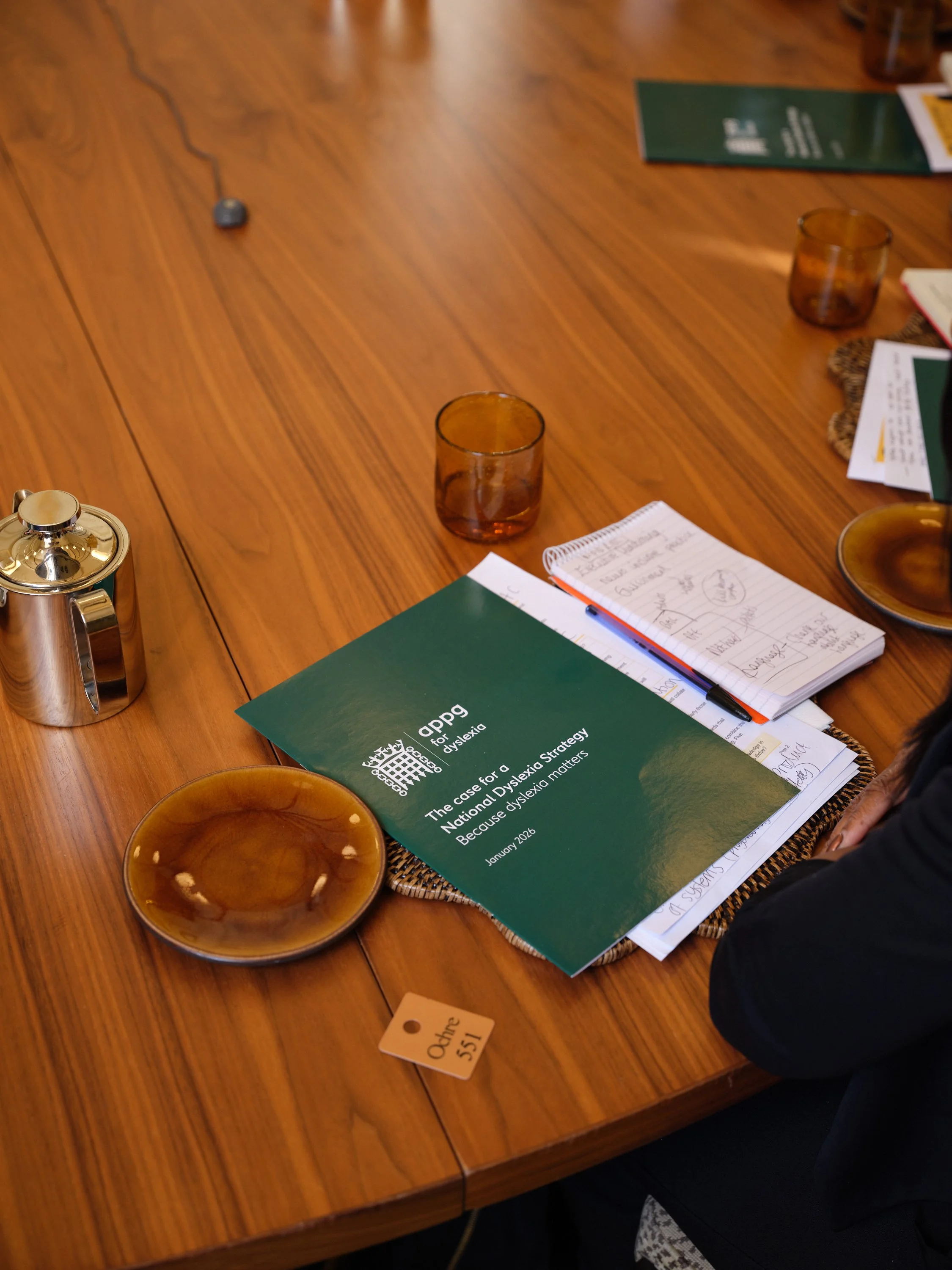
Last Friday, 16 October, we held our first ever roundtable, Every Child Thriving, at Ochre in the National Gallery. Around the table sat an MP, teachers, clinicians, researchers, founders and campaigners, each seeing the SEND system from a different angle.
We put one big question to them. What would it actually take for every child to thrive at school? Not cope. Not get through the day. Thrive.
We asked them to be bold, challenge assumptions and bring solutions. They did. Here is what we heard.
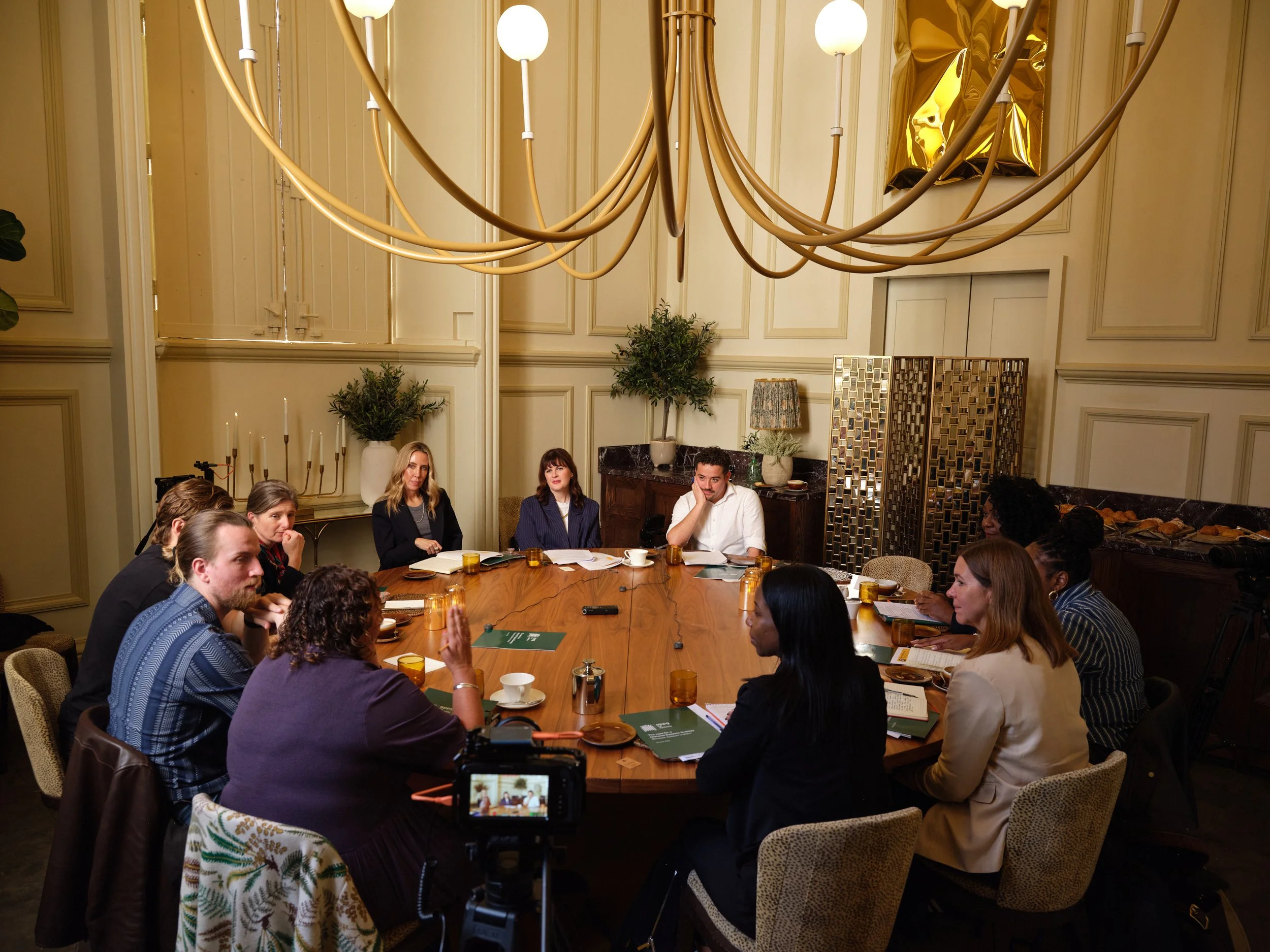
Roundtable discussion at Ochre, The National Gallery
Who was in the room
The roundtable was hosted by Charlotte Noble and Sophie Vincent of 1 in 10 Dyslexia, and joined by:
Juliet Campbell MP, Labour MP for Broxtowe and Chair of the All-Party Parliamentary Group on Dyslexia
Chris Campbell, comedian, content creator and dyslexia advocate
Onyinye Udokporo, educator, entrepreneur and founder of Enrich Learning
Lucinda Miller, founder of NatureDoc, specialising in children's health, nutrition and neurodevelopment
Jamie Wace, founder of Talamo, working in education innovation
Jo Rees, specialist teacher supporting neurodivergent learners
Marie Gentles OBE, child behaviour expert, former headteacher and educational consultant
Dr Emma Offord, clinical psychologist and founder of Divergent Life
Dr Ashley Blake of OxEd Ltd (founders of the NELI programme), with a background in SEND and research into developmental language disorder
Ellen Broomé, Lord Addington and Jessie Hewitson sent apologies and will be contributing their thoughts to the final paper.




1. Early help has to come first
Too many children are left to fall behind, hit crisis point or wait for a formal diagnosis before anyone steps in. The room was clear that this has to change.
Early identification and intervention, especially for speech, language and communication needs and specific learning difficulties like dyslexia, should sit at the heart of SEND reform. That means early language support built into every early years setting and school, staff who can spot emerging difficulties with literacy, language and communication, and access to specialist expertise when it is needed.
The question for government: how will reform guarantee timely early help in practice, not just promise it in principle?
2. Support should follow the child, not the label
A child's needs should decide the support they get. Not whether they tick enough boxes for a diagnosis.
Dyslexia, developmental language disorder and other neurodevelopmental differences overlap and look different in every child. Assessment matters, but it should open the door to support, not stand in front of it. No child should have to prove how much they are struggling before they get help.
The principle: support follows need, not the label.
3. The curriculum has to work for how children actually learn
You cannot fix exclusion with extra interventions if the everyday curriculum keeps putting barriers in the way.
Children learn, communicate and show what they know in very different ways. Curriculum and assessment reform needs to account for literacy, language, working memory, processing speed and executive functioning, and give children more than one way to demonstrate their understanding. Neurodivergent children, including those with dyslexia, should be able to access learning without unnecessary obstacles.
The question for government: how will curriculum and assessment reform make sure neurodivergent children can access learning, show what they can do and thrive?
4. Hold the system to account for outcomes, not just spending
SEND reform will be judged on what it does for children, not on how much money it saves.
The roundtable called for clear responsibility for making sure local authorities deliver what has been promised, backed by measurable KPIs on waiting times, access to early intervention, quality of provision and outcomes for children and families. Families need transparent reporting, clear routes to challenge decisions and real remedies when provision fails.
And good practice needs to travel. Right now, the support a child gets too often depends on their postcode, or on how hard their parents can fight.
The question for government: who holds local authorities to account, against what measures, and what happens when they fail?
5. Equip the adults around every child
Inclusion lives or dies on the people in the room with the child.
Teachers, teaching assistants and early years staff need high quality training in dyslexia, SpLD, language and communication needs, neurodiversity and evidence informed classroom support. But training alone is not enough. It has to come with protected time, specialist advice, ongoing professional development and clear roles.
Schools, families, health professionals and local authorities need to work as one team, with clear responsibility for joined up support. That means seeing the whole child: their learning, communication, wellbeing, relationships, confidence, independence and home life.
The principle: every child should be supported to thrive academically, socially and emotionally, not just be present in school.
The bottom line
If there was one message everyone in the room agreed on, it was this: judge education reform by whether children are safe, understood, supported and able to thrive. Not by how well they endure.
Early help, support beyond diagnosis, an inclusive curriculum, real accountability and properly equipped professionals are not five separate wish lists. They only work together.
What happens next
We are combining the roundtable's conclusions with written contributions from participants into a short paper, Every Child Thriving: Five Priorities for the Future of SEND and Education. We will share it here and take it to policymakers.
A huge thank you to everyone who gave their time and expertise. If you want to follow the work, sign up for updates at 1in10.co.uk, listen to the 1 in 10 Podcast, or get in touch to support our free teacher training in UK state primary schools.